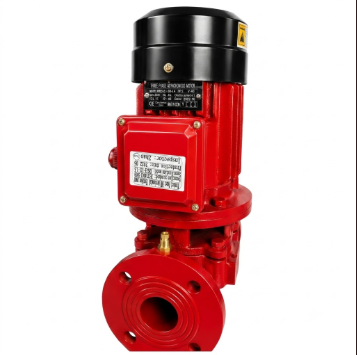
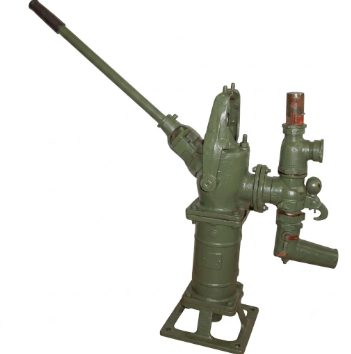
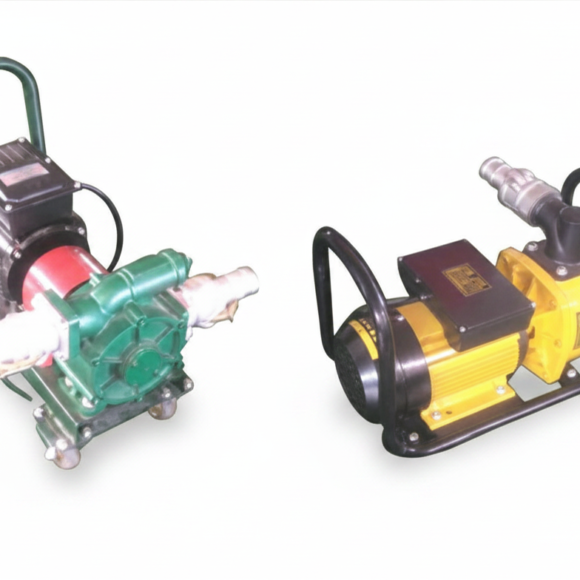
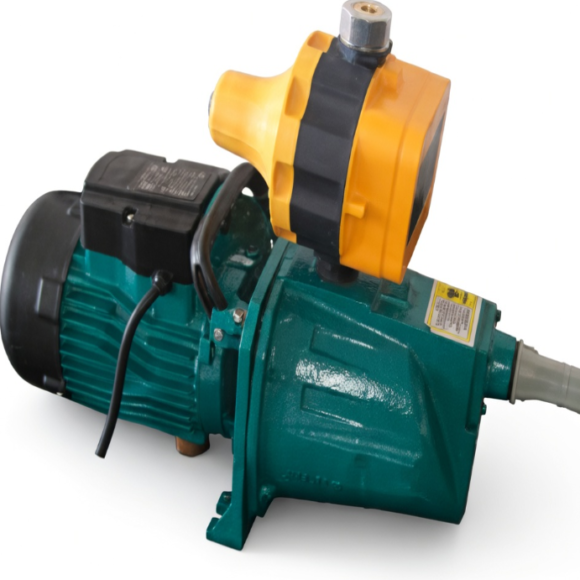
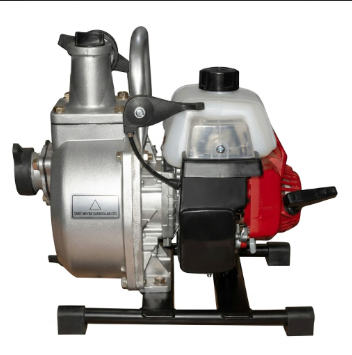
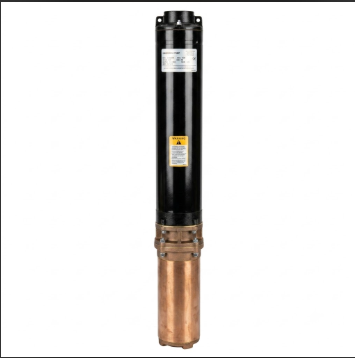
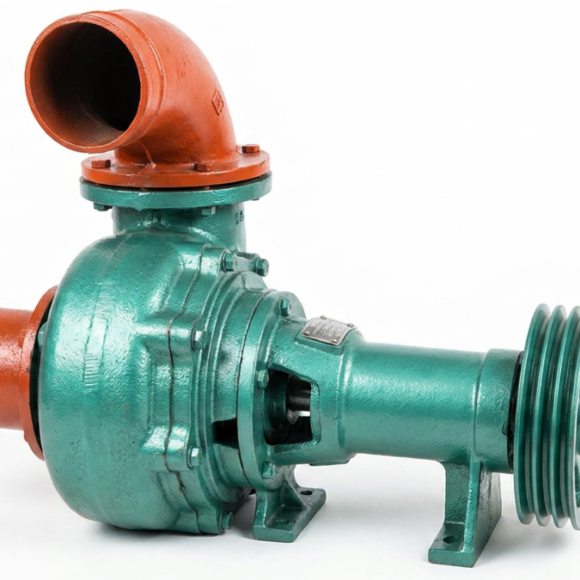
A solar water pump is a system that uses energy from sunlight to pump water for irrigation, livestock, or domestic use. It typically consists of solar panels (photovoltaic modules), a controller (inverter or pump controller), an electric motor, and the pump itself (surface or submersible). The solar panels convert sunlight into electrical energy, which powers the motor to drive the pump. Some systems may also include batteries for energy storage, though many operate directly during daylight hours without storage.
In operation, sunlight strikes the solar panels, generating direct current (DC) electricity. This power is sent to the controller, which regulates voltage and current to match the pump’s requirements and may convert DC to alternating current (AC) if needed. The motor then drives the pump to draw water from a source such as a borehole, river, or storage tank. The water is lifted and delivered through pipes to where it is needed. The pumping rate depends on sunlight intensity, so performance is highest during peak sunshine hours. Solar water pumps are widely valued for being energy-efficient, environmentally friendly, and cost-effective, especially in off-grid or rural areas where electricity supply is limited.