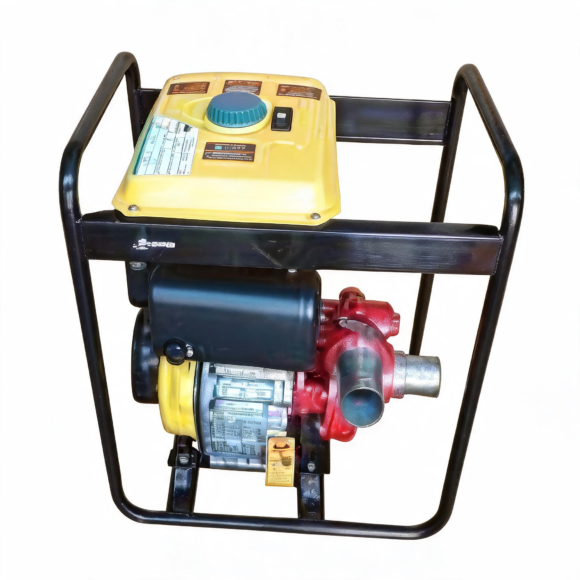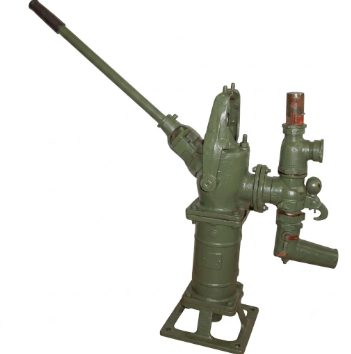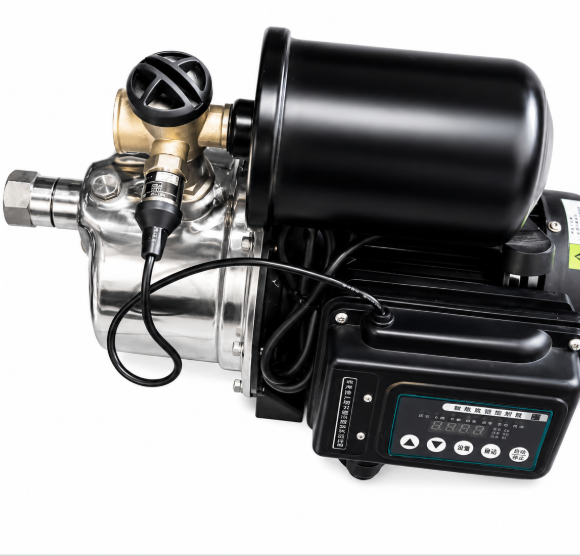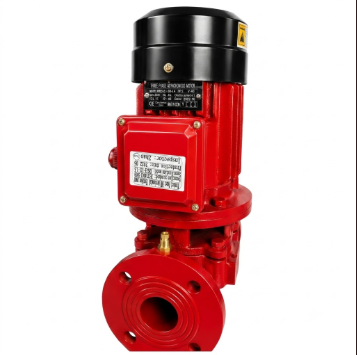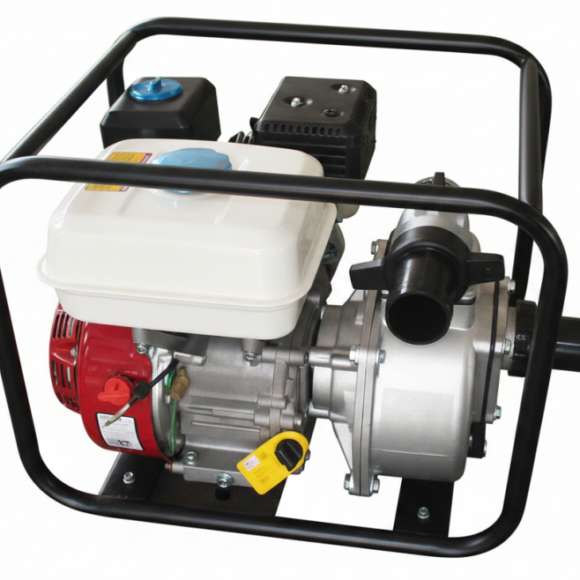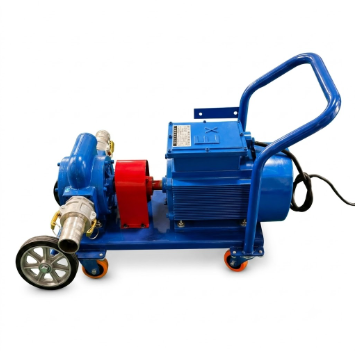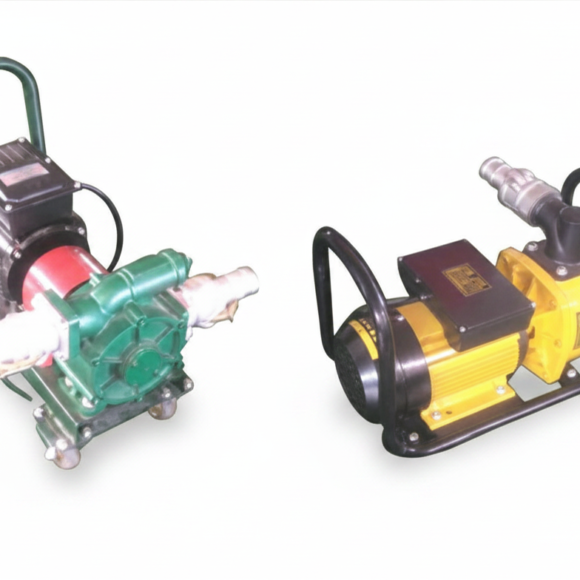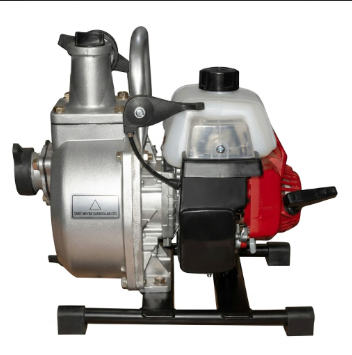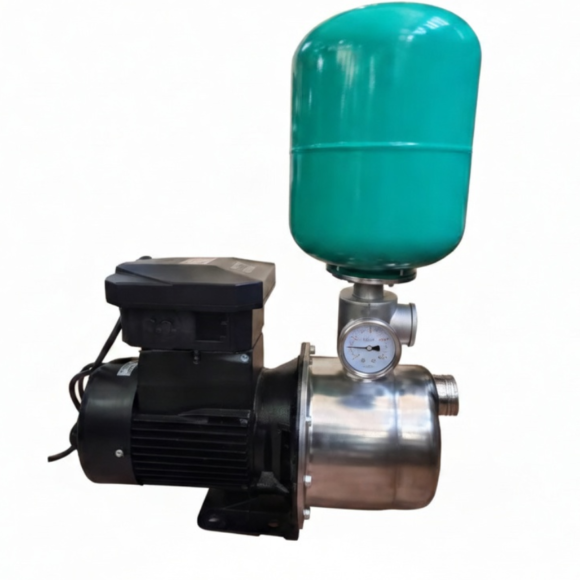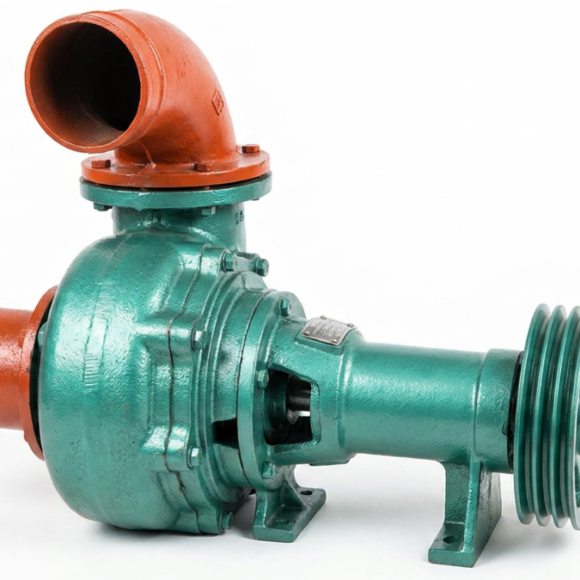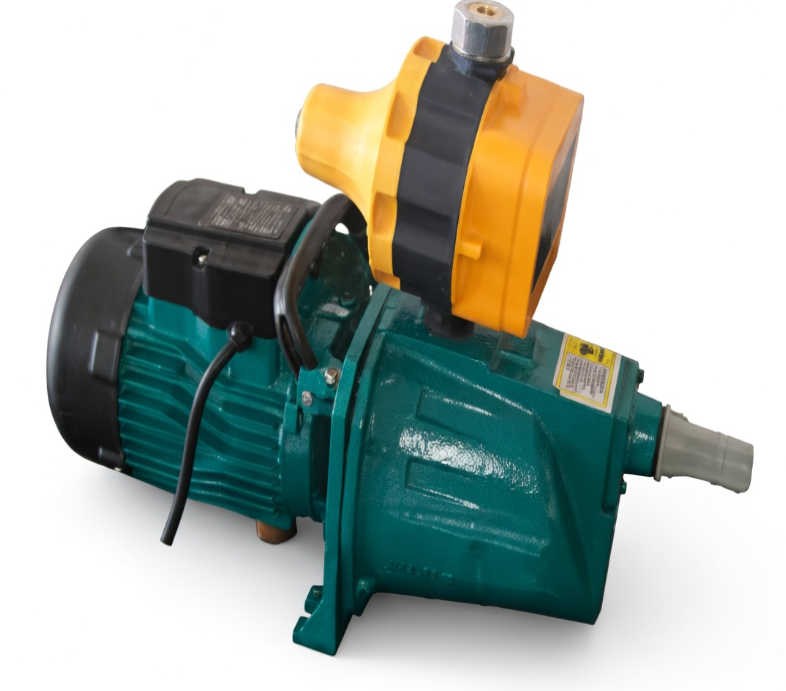
A self-priming pump is a type of centrifugal pump designed to automatically remove air from the suction line and start pumping liquid without needing manual priming each time it is used. It has a specially designed casing that can retain a certain amount of liquid after the pump is stopped, which helps it restart easily. The main components include an electric motor, impeller, pump casing, suction and discharge ports, and an internal chamber that allows air-liquid separation. These pumps are commonly used in applications such as drainage, irrigation, sewage handling, and water transfer where the pump may be positioned above the liquid source.
In operation, when the pump is first filled with liquid (initial priming), the retained liquid mixes with the air in the suction line as the impeller rotates. This mixture is circulated within the pump casing, where the air is separated and expelled through the discharge outlet while the liquid falls back and recirculates. As this process continues, more air is removed from the suction line, creating a vacuum that draws liquid up into the pump. Once all the air is expelled, the pump begins to operate like a normal centrifugal pump, delivering a steady flow of liquid. This self-priming ability makes it very convenient and efficient, especially in situations where frequent restarting is required or where manual priming would be difficult.