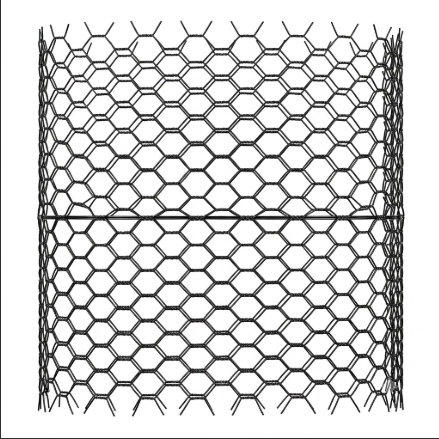
Technical Description: A gabion is a rectangular or cylindrical cage or basket made of double-twisted steel wire mesh, typically galvanized or PVC-coated to resist corrosion. It is filled with rock, stone, or other durable material and used in civil engineering and environmental protection works. Gabions are commonly applied in retaining walls, riverbank protection, slope stabilization, erosion control, bridge abutments, and drainage structures. Their flexible, permeable nature allows them to absorb and dissipate hydraulic and soil pressures while allowing water to pass through, reducing buildup of hydrostatic pressure behind structures. Gabions are favored for their strength, durability, cost-effectiveness, and ability to blend with natural environments.
Operation: To install a gabion structure, the wire mesh baskets are first assembled on-site and positioned on a properly prepared and leveled foundation. The baskets are then filled with selected stones or rock fill, typically placed by hand or machine to minimize voids and ensure uniform compaction. Internal diaphragms (if present) are tied securely to maintain shape and structural integrity. After filling, the lid is closed and tightly laced or fastened with wire to fully enclose the stone material. Multiple gabion units can be stacked or linked together to form walls or protective structures. During operation in service, gabions function by resisting soil movement, reducing erosion, and allowing free drainage of water, which helps maintain long-term stability of the protected area. Regular inspection is recommended to check for wire corrosion, deformation, or displacement of fill material, especially in high-flow or high-load environments.