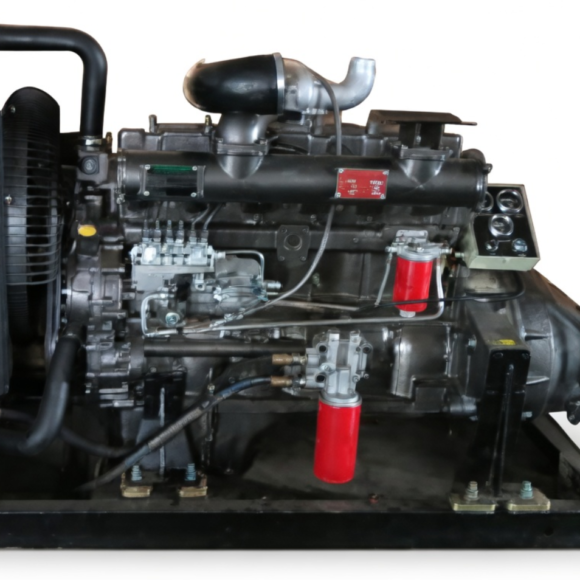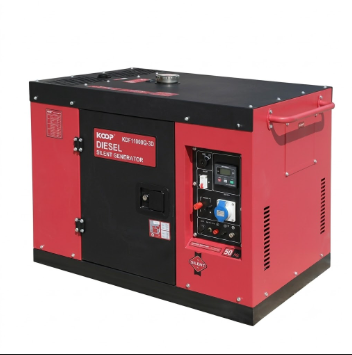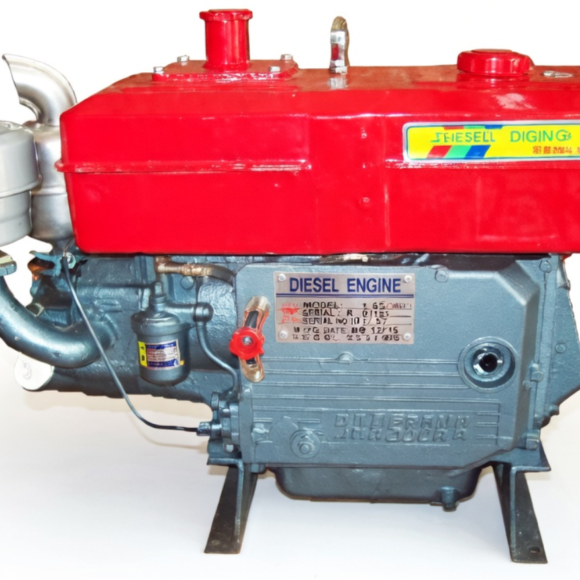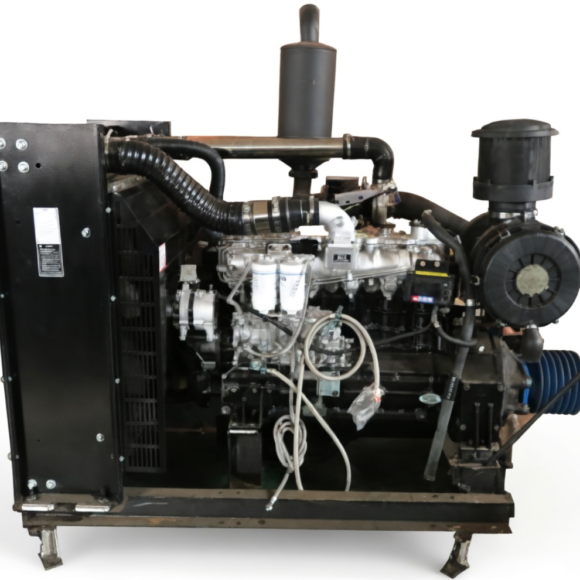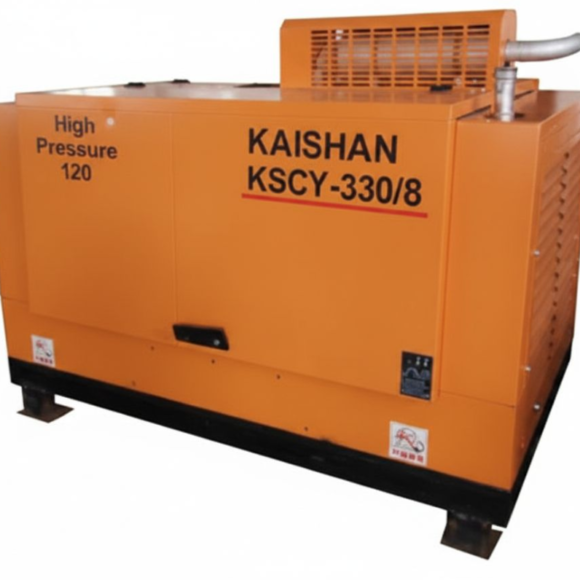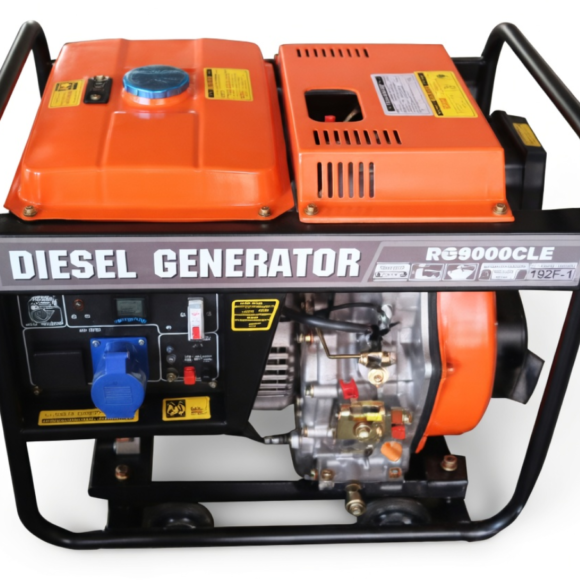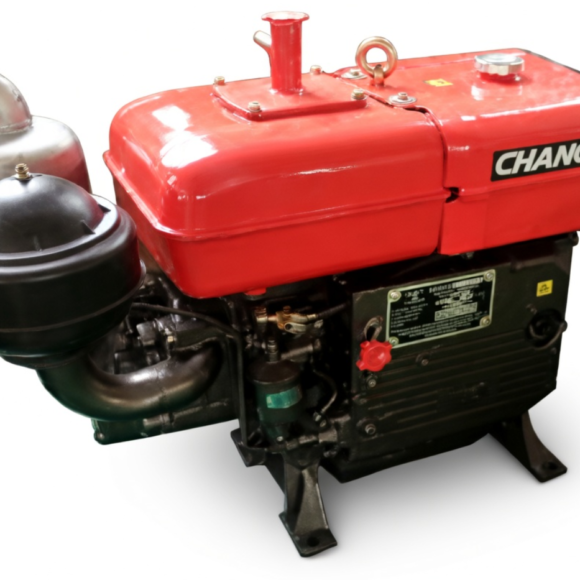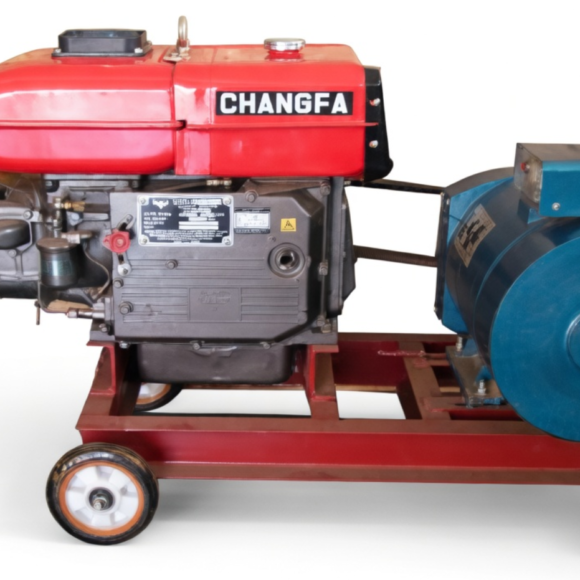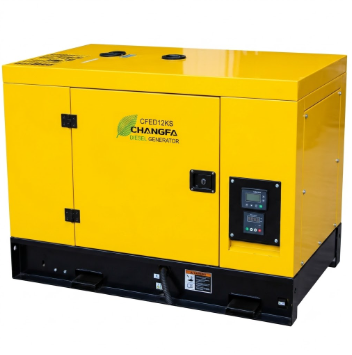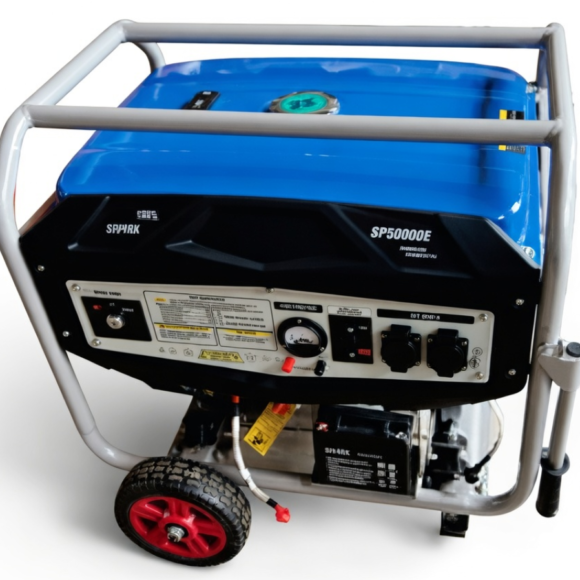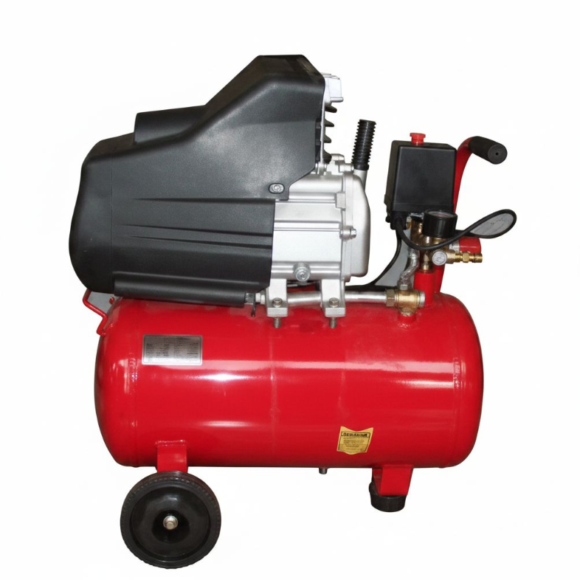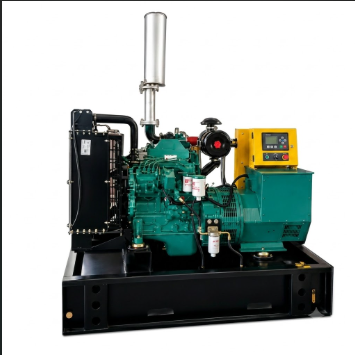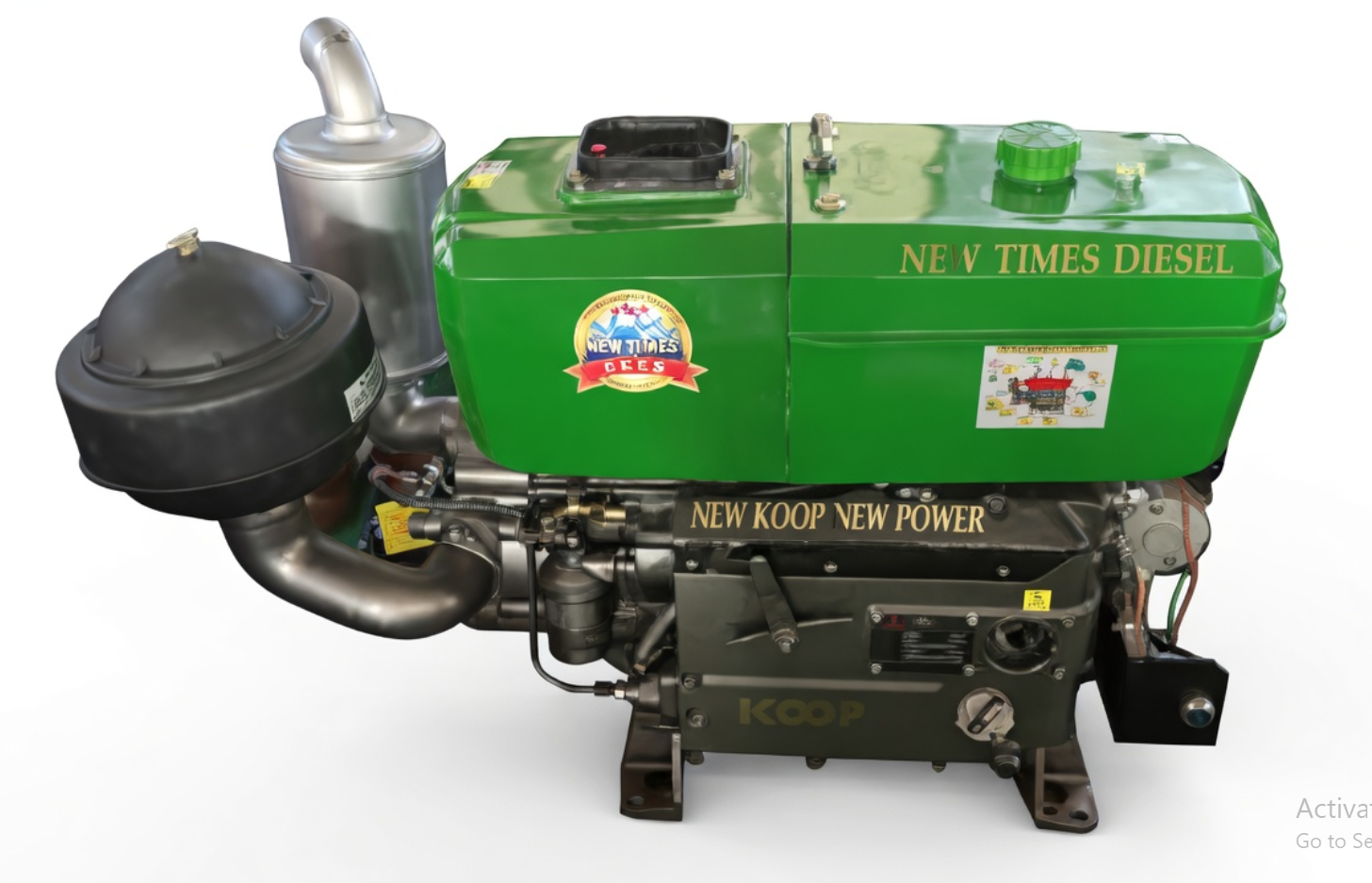
A diesel engine is an internal combustion engine that uses the heat of compressed air to ignite fuel, rather than a spark as in petrol engines. It is widely used in generators, trucks, agricultural machines, construction equipment, and water pumps because of its high efficiency, durability, and ability to produce strong torque. The main components of a diesel engine include the cylinder block, piston, crankshaft, connecting rod, fuel injector, air intake system, exhaust system, cooling system, and lubrication system. Diesel engines are known for operating under high compression ratios, which makes them more fuel-efficient than many other engine types.
In operation, the diesel engine follows a four-stroke cycle. During the intake stroke, the piston moves downward, drawing only air into the cylinder. In the compression stroke, the piston moves upward, compressing the air to a very high pressure and temperature. At the top of this stroke, diesel fuel is injected directly into the hot compressed air by the injector. The heat causes the fuel to ignite automatically (a principle known as compression ignition), creating a powerful explosion that forces the piston downward in the power stroke. Finally, during the exhaust stroke, the piston moves up again, pushing out the burnt gases through the exhaust valve. This continuous cycle converts fuel energy into mechanical energy, which is then used to drive machinery or generate electricity. AT CNM, koop engines range from 7hp to 45hp.