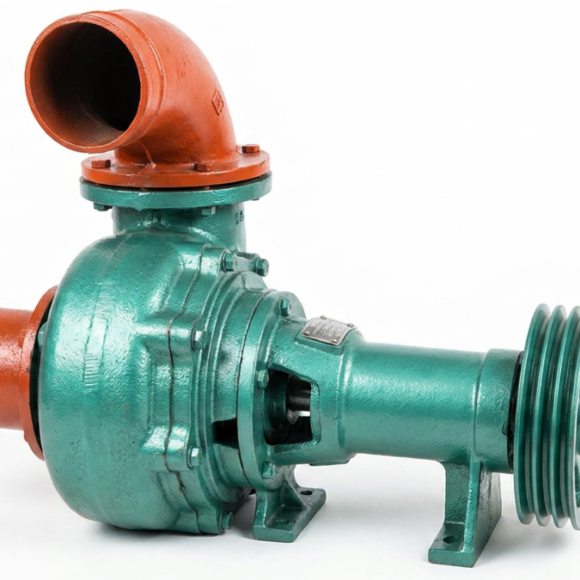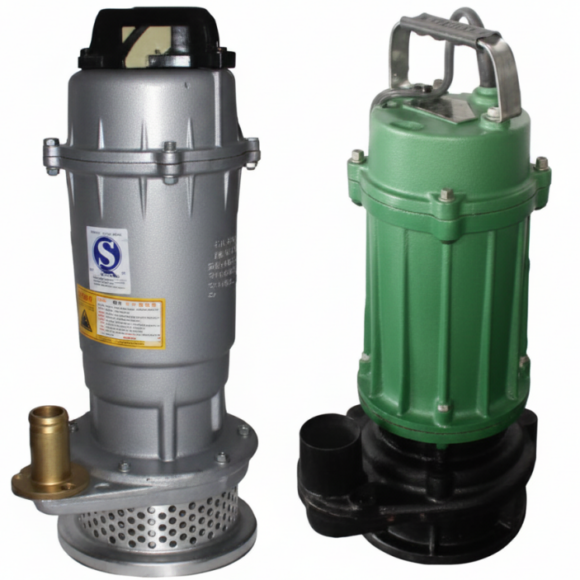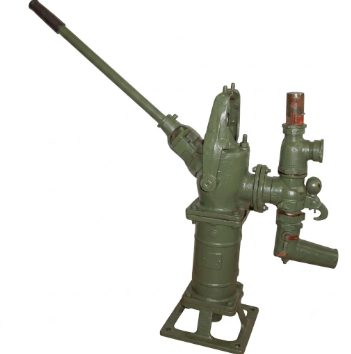
A manual hand water pump is a mechanical device used to lift groundwater to the surface using human power. Its technical architecture typically consists of a cast-iron or stainless-steel pump head and cylinder, a vertical handle lever, a connecting rod, and a reciprocating piston fitted with a one-way valve (the plunger or traveler valve). At the base of the underwater cylinder sits a second one-way valve, known as the foot valve or check valve. These components are sealed within a smooth cylinder casing using leather or rubber cups to maintain a tight, airtight seal against the cylinder walls, which prevents pressure loss during operation.
Operation relies entirely on positive displacement and atmospheric pressure through a repetitive two-stroke cycle. When the operator pushes the handle down, the connecting rod lifts the internal piston upward; this movement creates a partial vacuum below the piston, forcing the foot valve to open and drawing groundwater up into the cylinder while the piston’s own valve remains tightly closed. On the subsequent upstroke of the handle, the connecting rod drives the piston downward through the captured water, closing the foot valve to prevent water from falling back into the well while forcing the piston valve open so water flows above the plunger. Continuous pumping lifts this column of water higher with each stroke until it discharges steadily through the external exit spout.