Description:
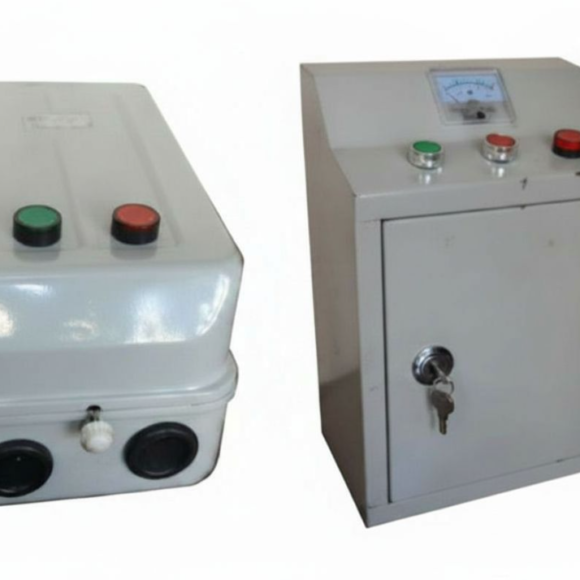
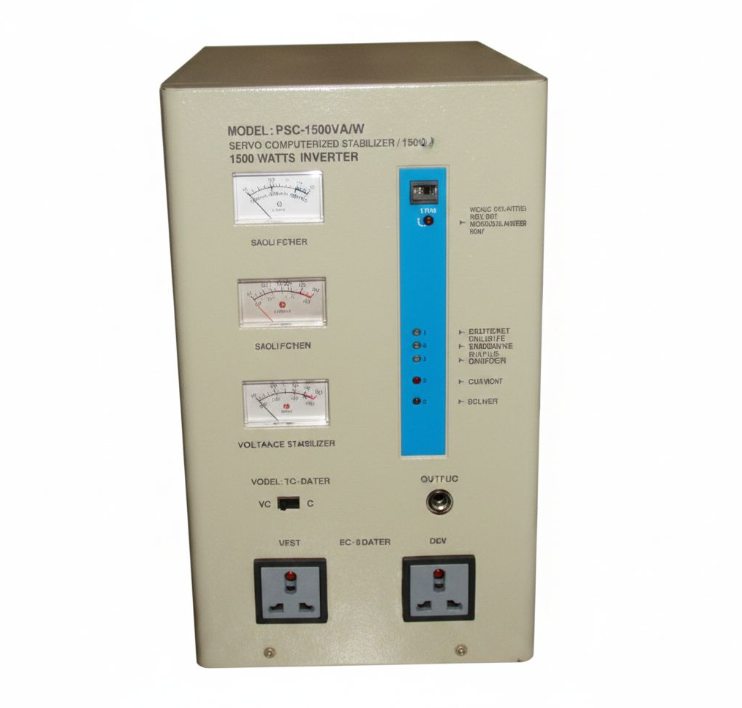
An inverter is an electrical device that converts direct current (DC) into alternating current (AC), making it possible to power standard AC equipment from DC sources such as batteries or solar panels. It is a key component in backup power systems and solar energy installations. An inverter typically consists of electronic switching circuits, control systems, transformers (in some designs), and filtering components to produce a stable AC output. Modern inverters may also include features like voltage regulation, battery charging, and protection against overload, short circuit, and overheating.
Operation:
The operation of an inverter is based on the principle of DC to AC conversion. First, DC power from a battery or solar panel enters the inverter. Electronic switches (such as transistors) rapidly turn on and off in a controlled sequence, converting the steady DC into a pulsating waveform. This waveform is then shaped and filtered to produce a smooth AC output, often in the form of a sine wave or modified sine wave. The output voltage and frequency are regulated to match standard AC supply (e.g., 230V, 50Hz). The inverter continuously monitors the load and adjusts its operation to provide stable and efficient power to connected devices.