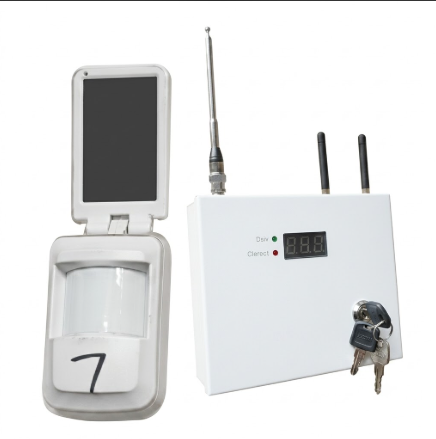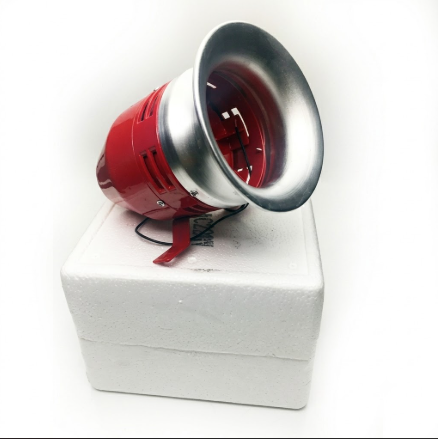
A motor alarm is a safety and monitoring device used to alert operators when an electric motor is experiencing abnormal or unsafe operating conditions. It is commonly installed in industrial machines, pumps, compressors, conveyors, and other motor-driven equipment. The motor alarm system typically includes sensors (for temperature, current, vibration, or voltage), an alarm controller or relay unit, and an audible/visual warning device such as a siren, buzzer, or indicator light.
In operation, the sensors continuously monitor the motor’s working conditions. If the motor exceeds safe limits—such as overheating, overloading, phase failure, low voltage, or excessive vibration—the sensor sends a signal to the control unit. The control unit then activates the alarm system, producing a loud sound or flashing light to alert operators. In more advanced systems, the alarm may also automatically shut down the motor to prevent damage. The operator responds by checking the fault condition, performing maintenance, and resetting the system once the problem is resolved. Motor alarms are essential for protecting equipment, preventing breakdowns, and ensuring safe and reliable machine operation.