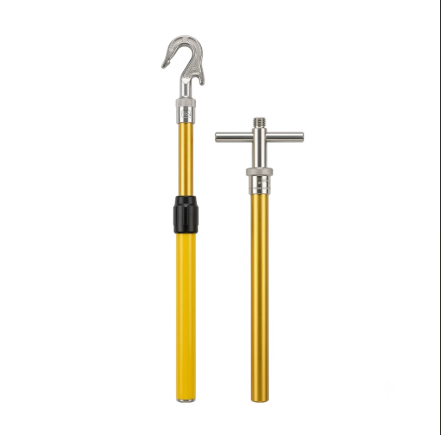
Technical Description: An earthing rod (also called a grounding rod) is a conductive metal rod installed in the ground to provide a low-resistance path for fault current and electrical discharge safely into the earth. It is a key component of electrical grounding systems used in buildings, industrial installations, substations, telecommunications equipment, and lightning protection systems. Earthing rods are typically manufactured from copper-bonded steel, galvanized steel, or stainless steel to ensure high conductivity and corrosion resistance. They are designed to maintain long-term electrical continuity with the surrounding soil, reducing the risk of electric shock, equipment damage, and fire hazards caused by fault currents or lightning strikes.
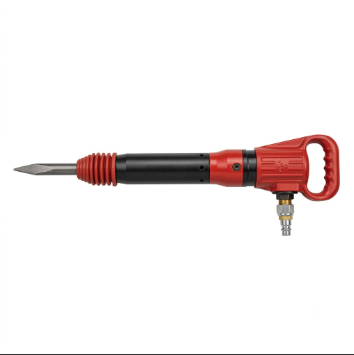
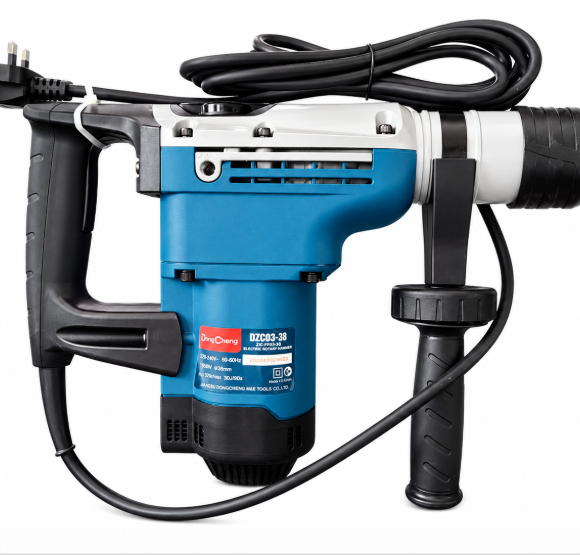
Operation: To operate (install) an earthing rod, a suitable location with relatively moist and low-resistivity soil is selected. The rod is driven vertically into the ground using a hammering tool or mechanical driver until it reaches the required depth. A grounding conductor (usually copper wire or strip) is then securely connected to the rod using a clamp or exothermic welding to ensure a solid electrical bond. When an electrical fault or lightning strike occurs, the earthing rod provides a safe pathway for excess current to flow into the earth, dissipating energy harmlessly and stabilizing the system voltage. For effective performance, the system should be periodically tested for earth resistance, and soil conditions should be maintained (for example, by adding moisture or salt compounds where appropriate) to ensure low resistance and reliable grounding.