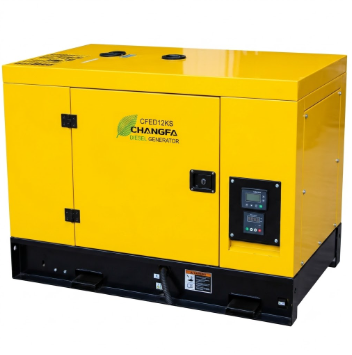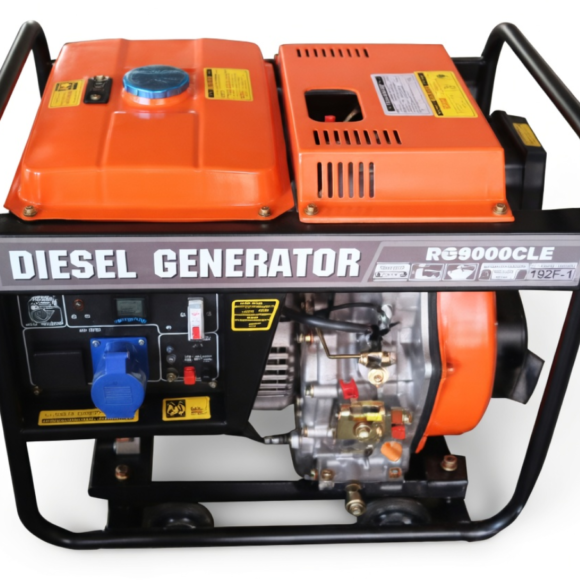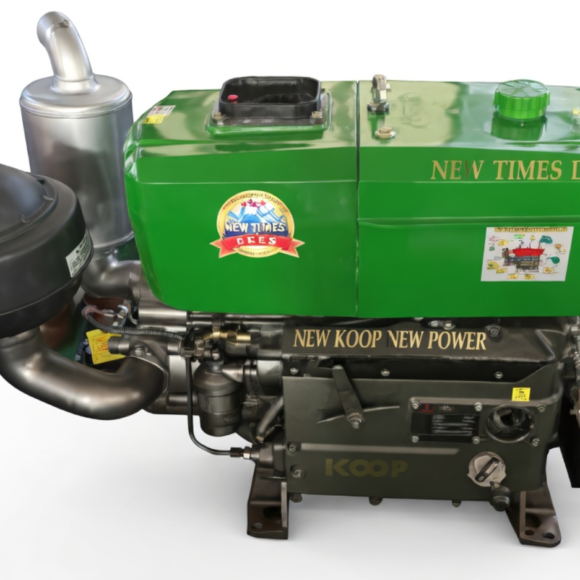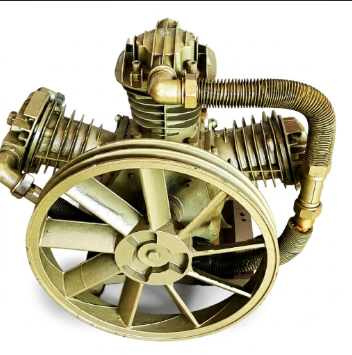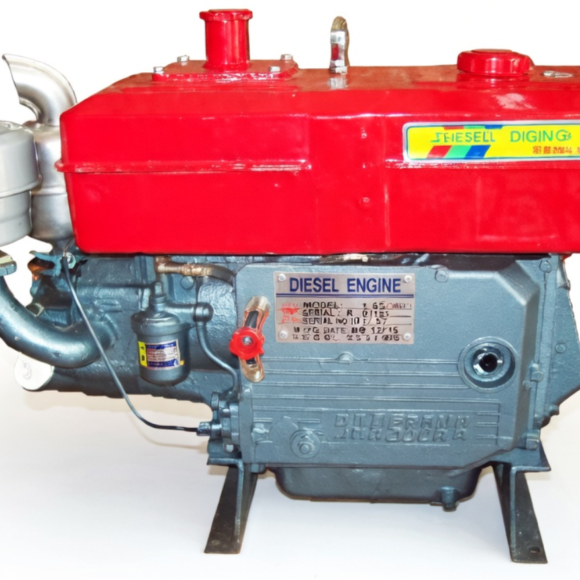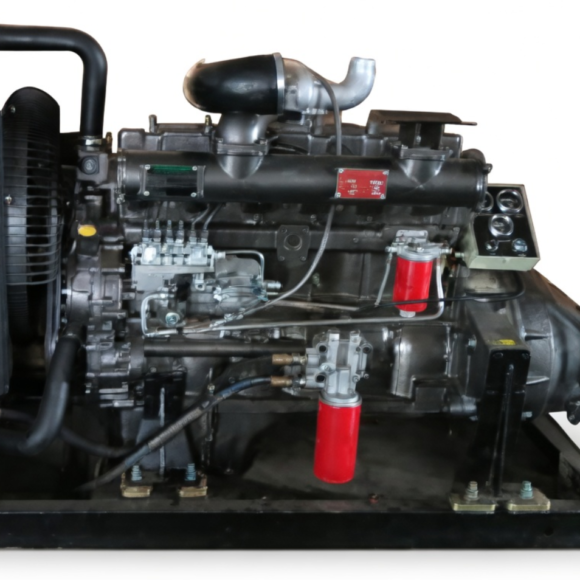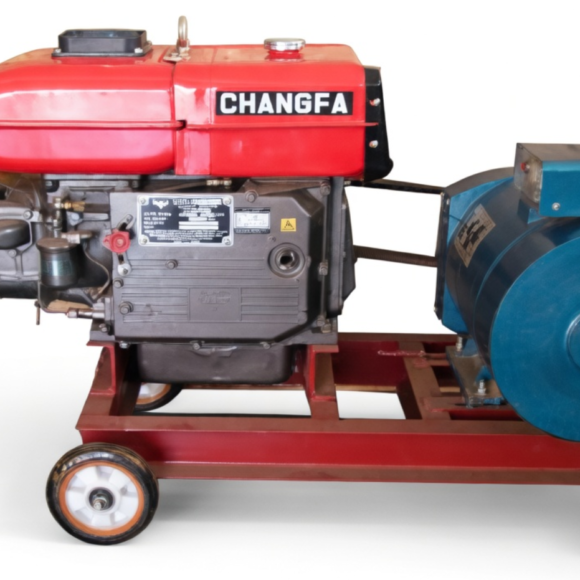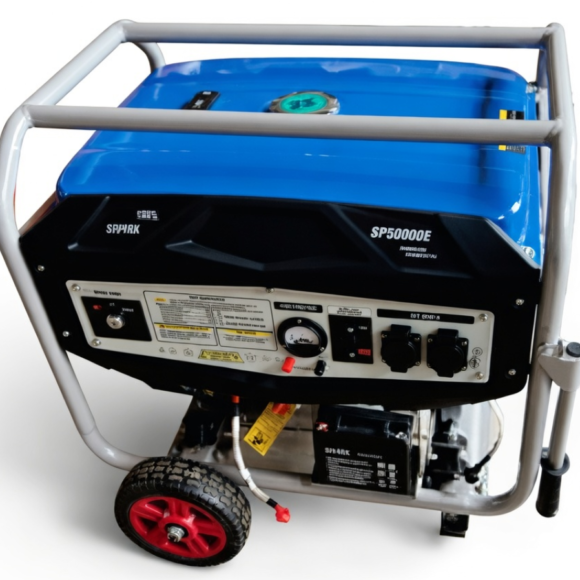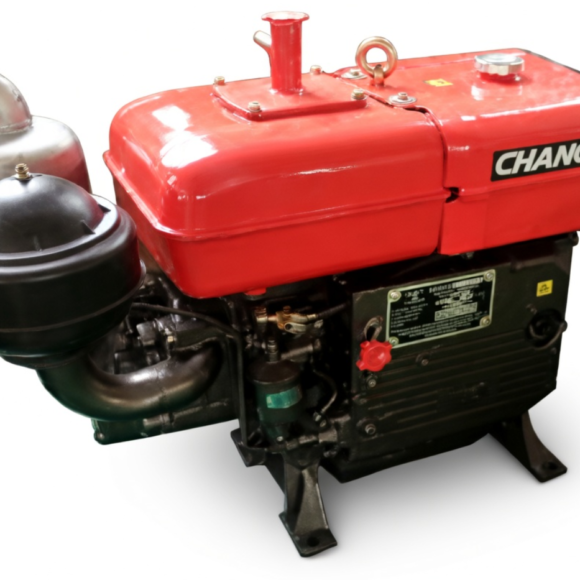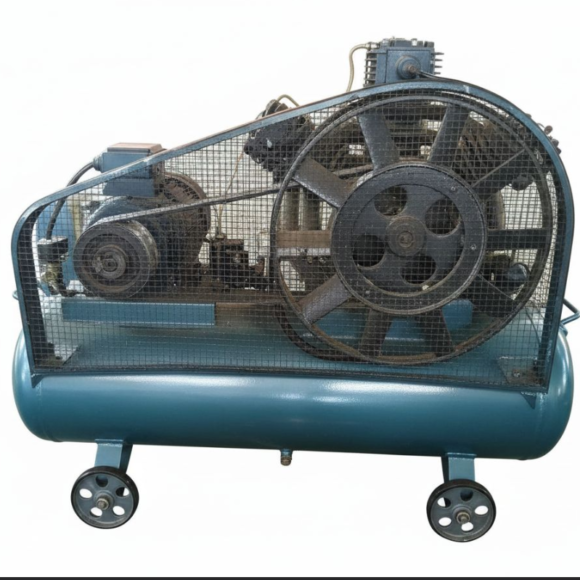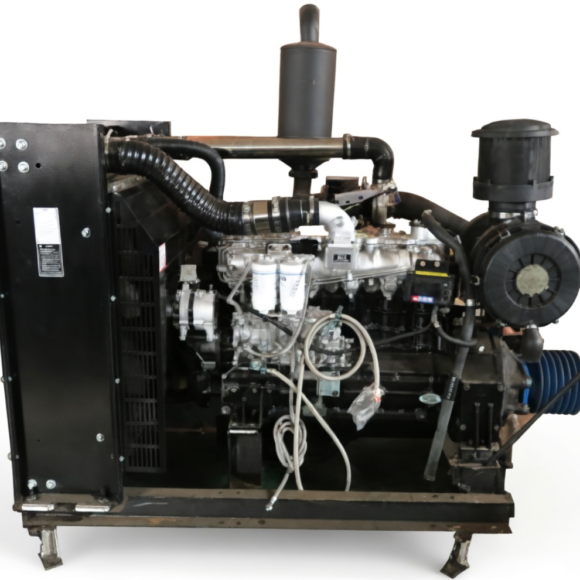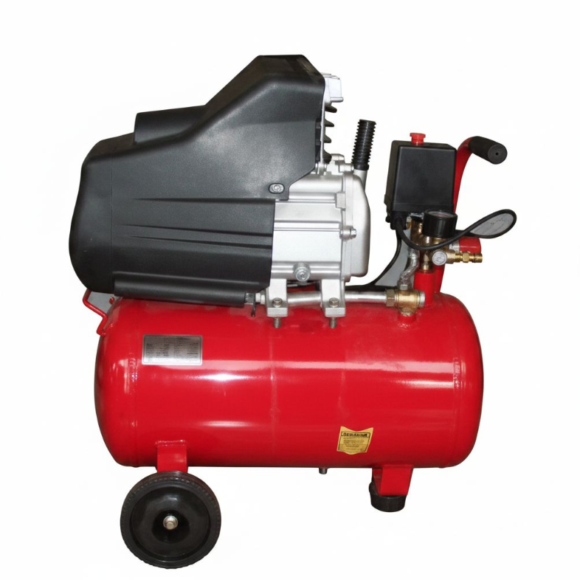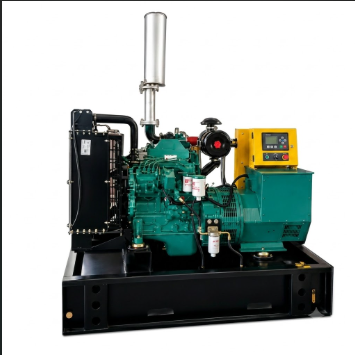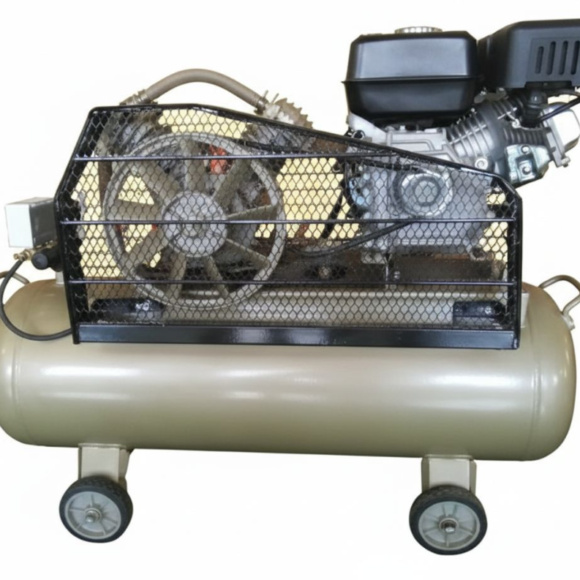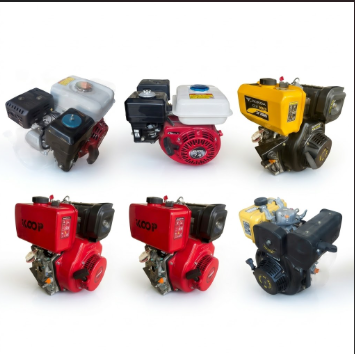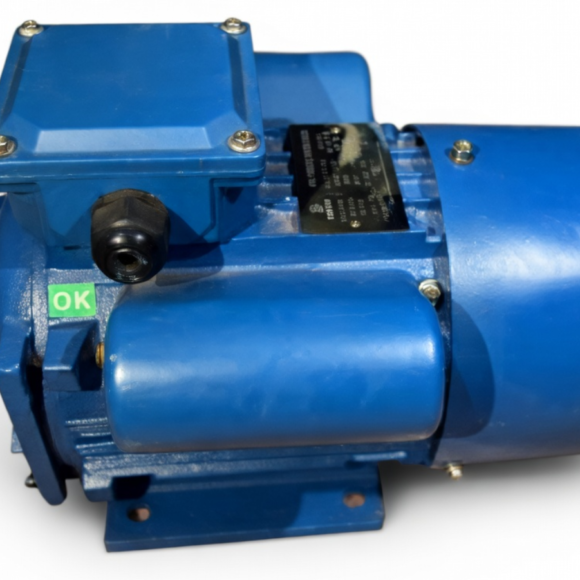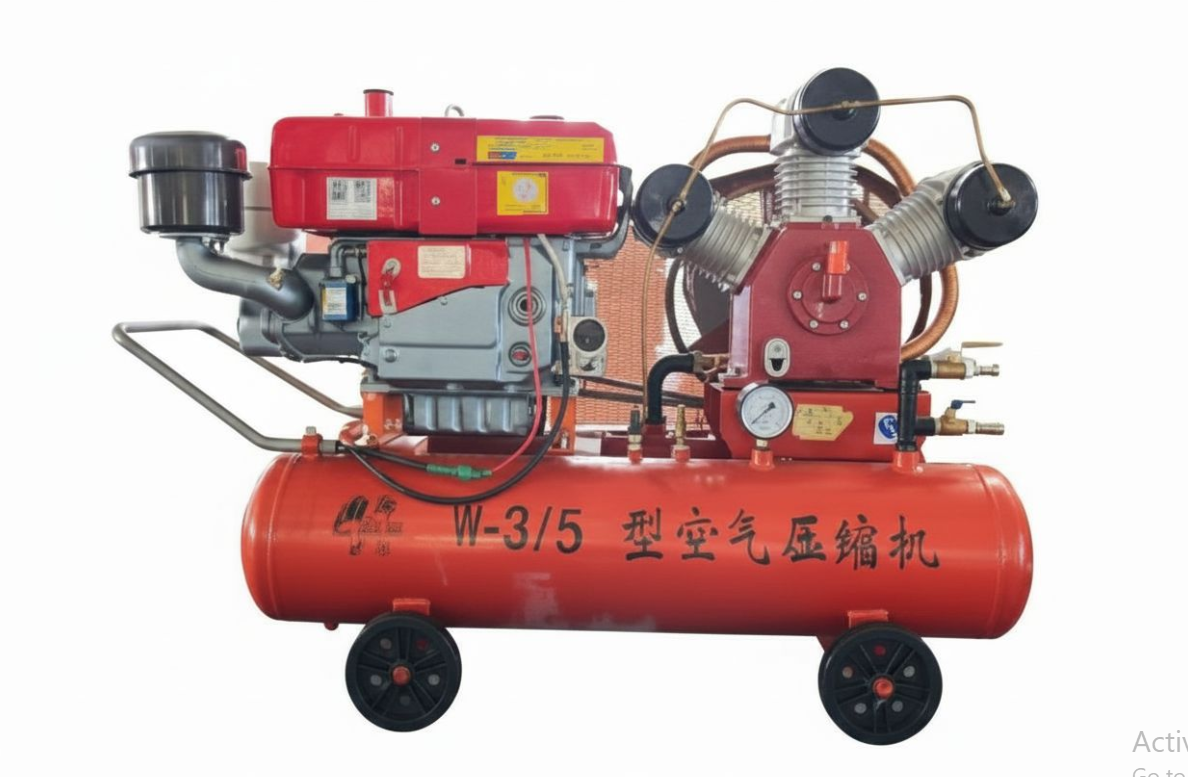
A mining air compressor is a heavy-duty machine designed to generate and supply compressed air for mining operations. It is built to operate in harsh environments such as underground tunnels, quarries, and open-pit mines. These compressors are commonly used to power pneumatic tools like rock drills, jackhammers, loaders, and blasting equipment, as well as for ventilation and dust control. A typical mining air compressor includes a powerful diesel engine or electric motor, an airend (compression unit), intake filters, cooling system, lubrication system, control panel, and a storage receiver (in some setups). Many mining compressors are portable and mounted on trailers or skids for easy movement around the site.
In operation, the engine or motor drives the airend, which compresses atmospheric air using either a rotary screw mechanism or reciprocating pistons. Air is first drawn in through filters to remove dust and debris—especially important in mining environments. In a rotary screw compressor (the most common type in mining), two interlocking helical rotors trap and compress the air as it moves along the screws, increasing its pressure continuously. The compressed air is then cooled, moisture is separated, and the clean, high-pressure air is delivered through hoses or pipelines to power mining equipment. The system is often equipped with automatic controls to regulate pressure, ensure safety, and maintain efficient performance even under continuous, heavy-duty use.