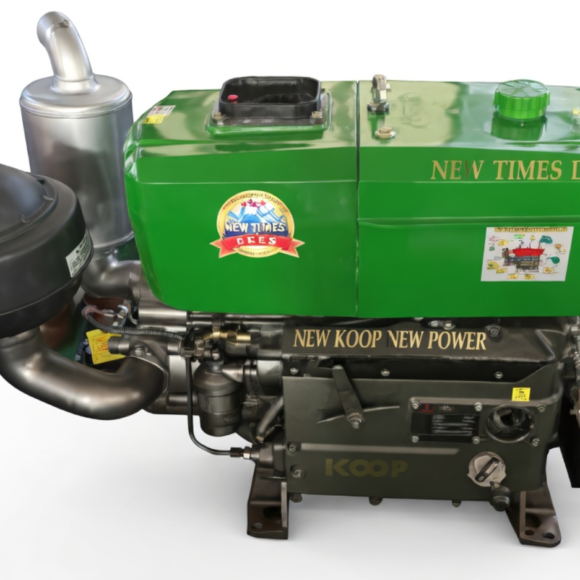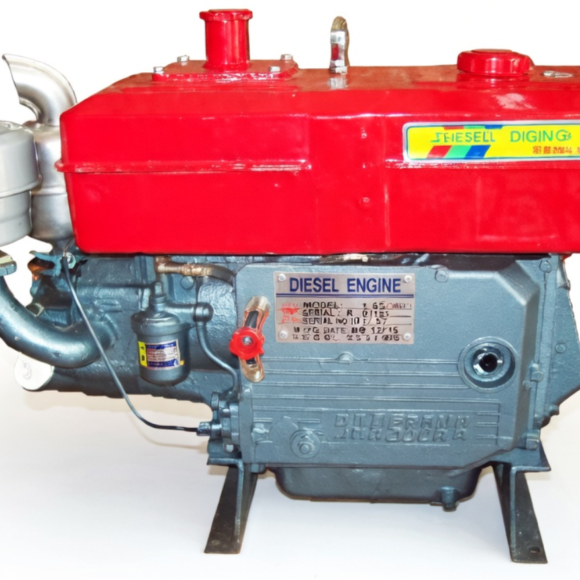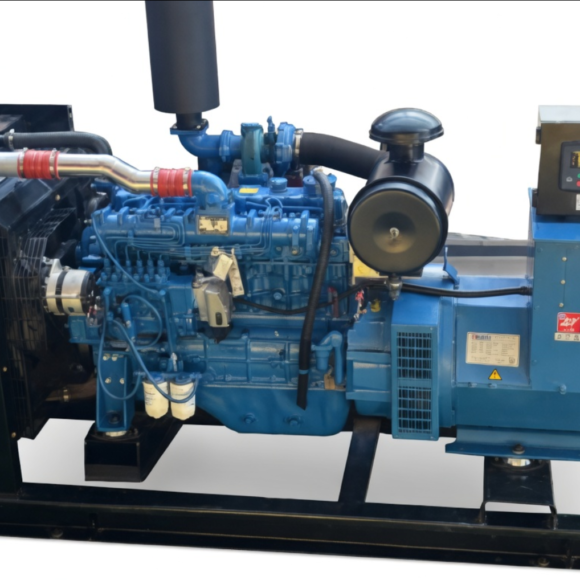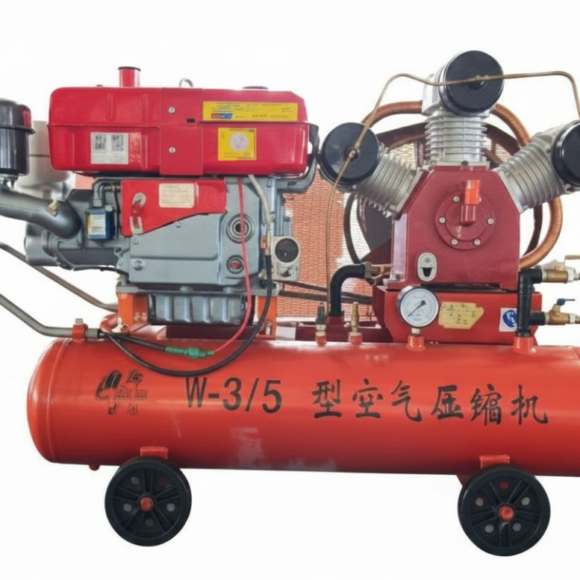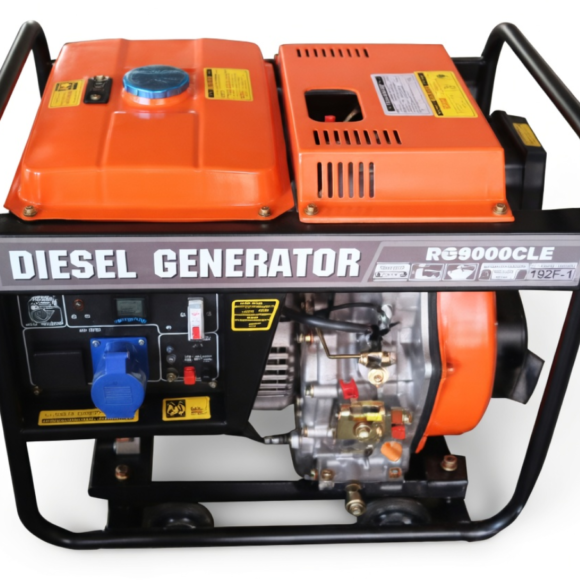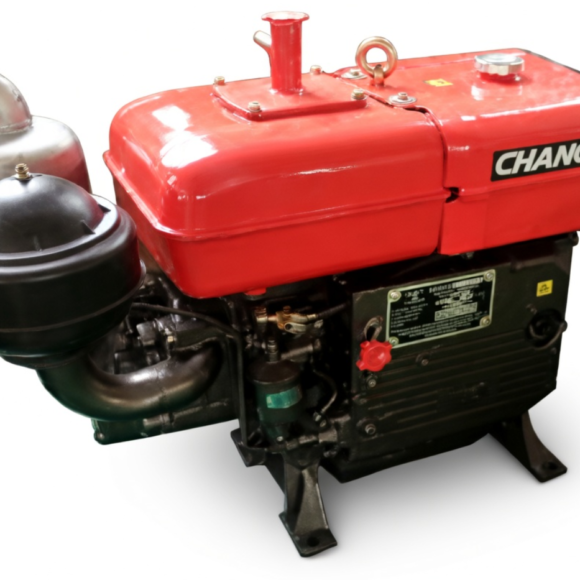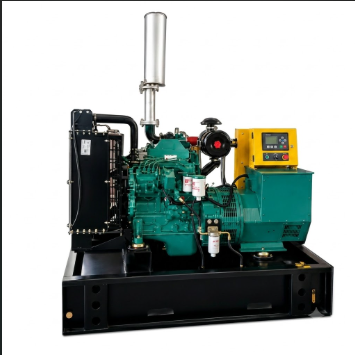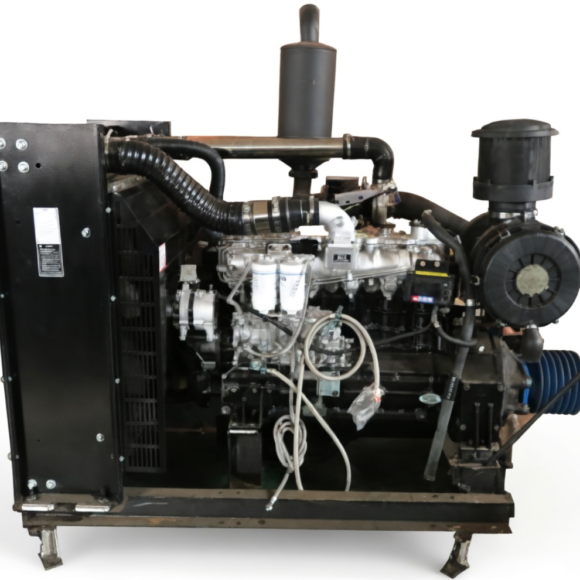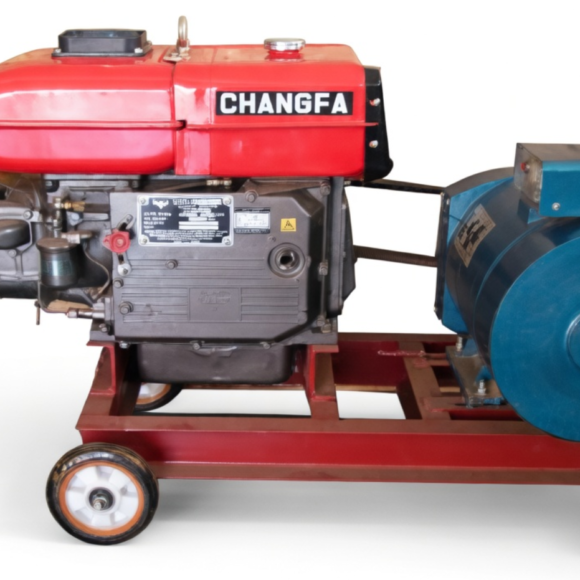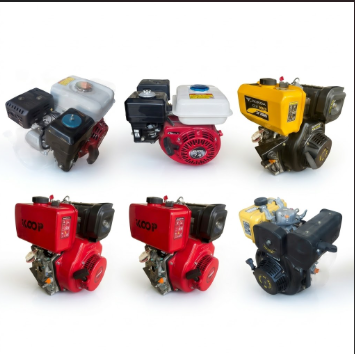
A single-cylinder diesel engine is a compact internal combustion engine that relies on compression ignition to convert diesel fuel into mechanical rotational energy. Its technical architecture consists of a single piston moving vertically within one cylinder block, using heavy flywheels mounted on the crankshaft to store rotational momentum between power strokes. Unlike gasoline engines that use a spark plug, this system draws ambient air into the cylinder, compresses it to an extreme pressure ratio (typically between 16:1 and 22:1), and injects finely atomized diesel fuel directly into the superheated air near the top of the compression stroke, causing instantaneous self-ignition that drives the piston downward.
Operation relies on a standard four-stroke mechanical cycle: intake, compression, power, and exhaust. To start the engine, a hand-crank or electric starter turns the flywheel to draw in fresh air and compress it; a manual decompression lever is often held open temporarily to relieve cylinder pressure during the initial spins before being released to initiate the compression ignition. Once running, a mechanical centrifugal governor automatically adjusts the fuel injection pump’s stroke to maintain a steady operating speed as loads change. To safely shut down the engine, the operator pulls a fuel cut-off lever that completely stops the high-pressure fuel pump, instantly starving the combustion chamber and bringing the heavy flywheel to a halt.