Description:
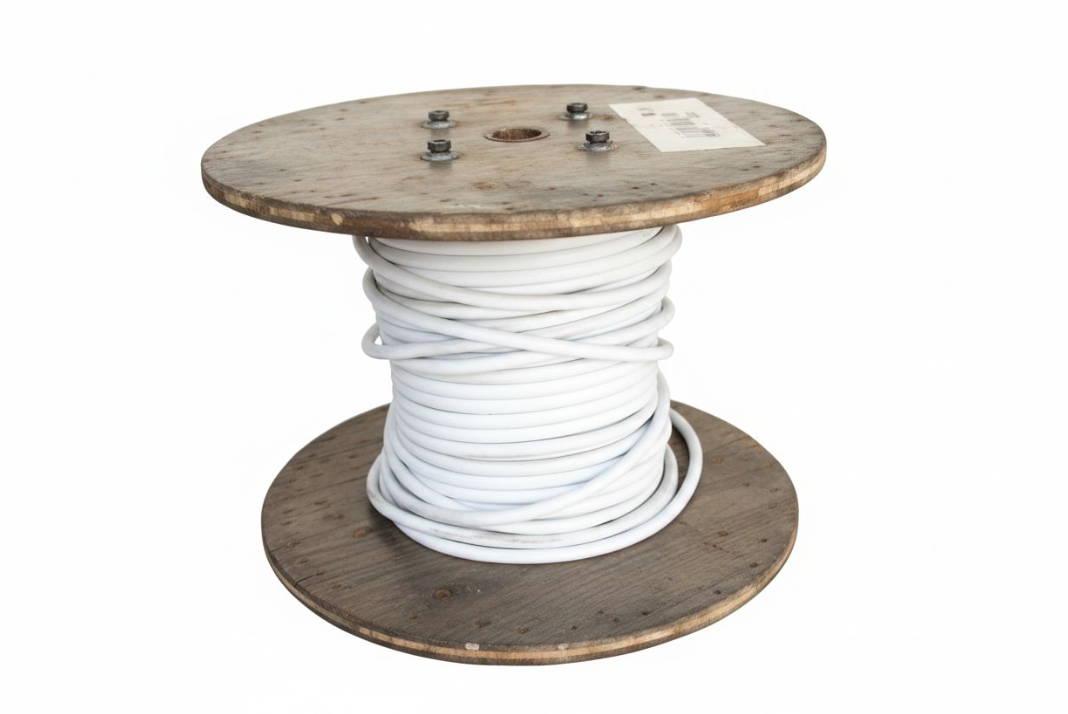
A single-phase power cable is an electrical cable used to transmit electricity in a single-phase system, which is commonly used in homes and small businesses. It typically consists of two main conductors: a live (phase) wire that carries current from the power source and a neutral wire that returns the current. In many cases, a third conductor called the earth (ground) wire is included for safety. The cable is made of conductive materials such as copper or aluminum and is covered with insulation to prevent electrical leakage, short circuits, and physical damage. Single-phase cables are widely used for lighting, small appliances, and low-power machinery.
Operation:
The operation of a single-phase power cable is based on the flow of alternating current (AC) from the supply to the load. The live wire delivers electrical energy to the device, while the neutral wire provides a return path, completing the circuit. The voltage alternates direction periodically, allowing continuous power delivery. The earth wire, if present, provides a safe path for fault currents to flow to the ground, protecting users from electric shock. When connected properly, the cable safely and efficiently transfers electrical power from the source to the intended equipment.