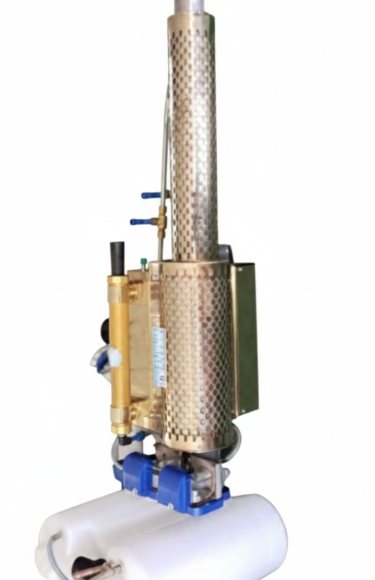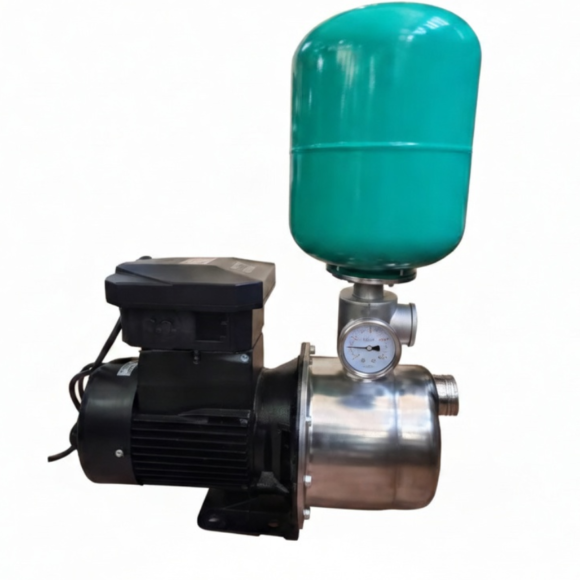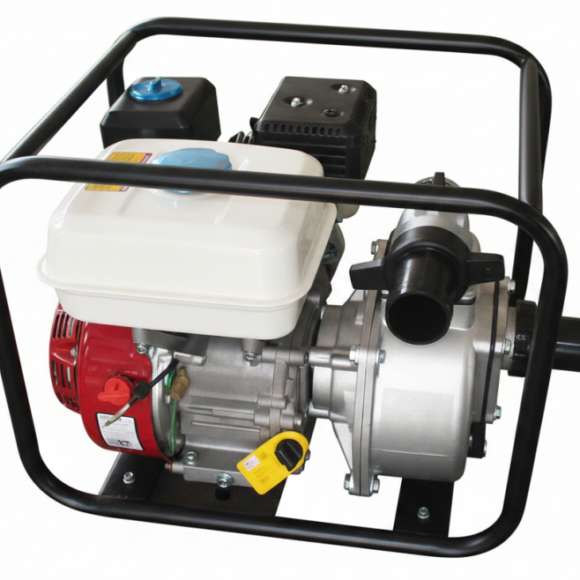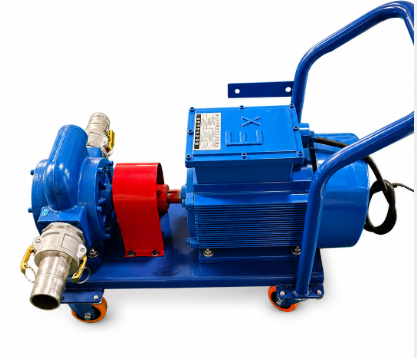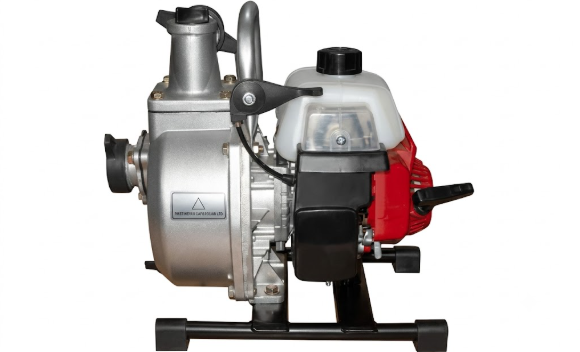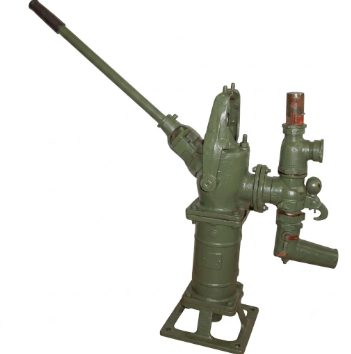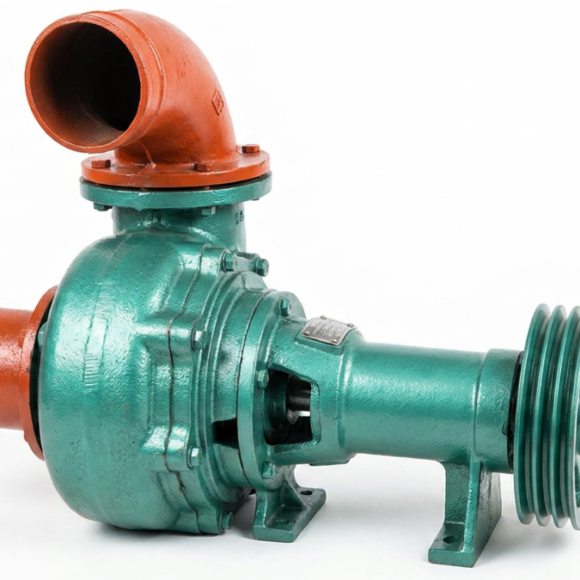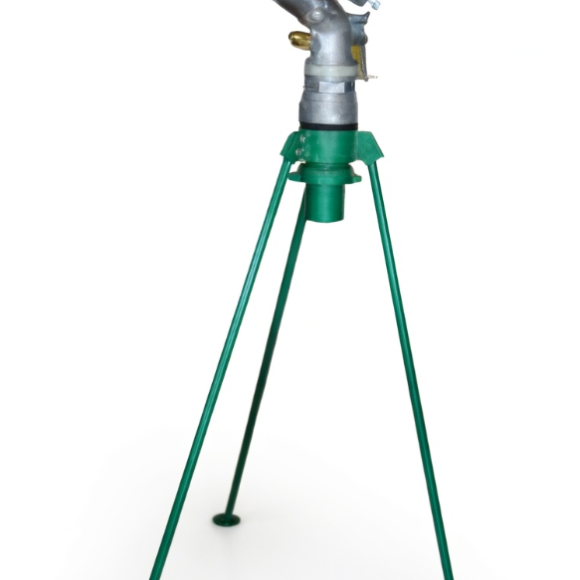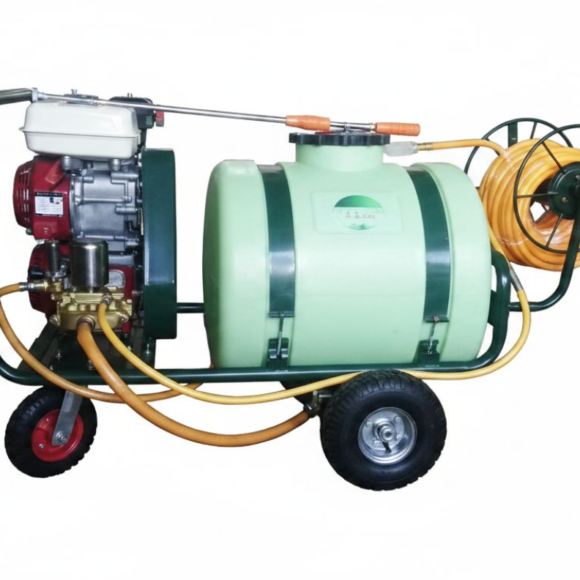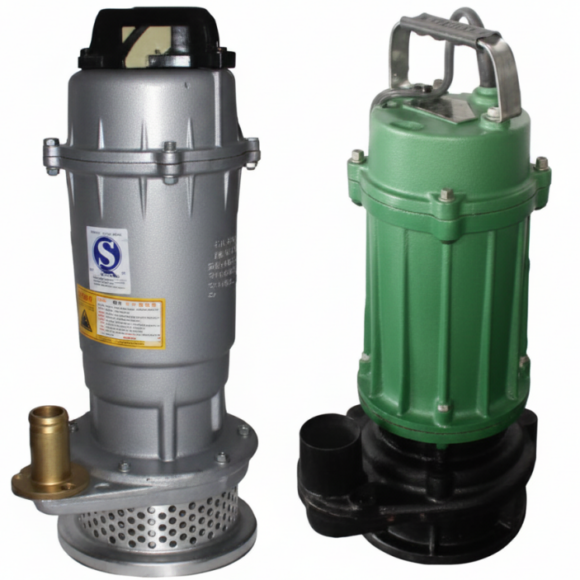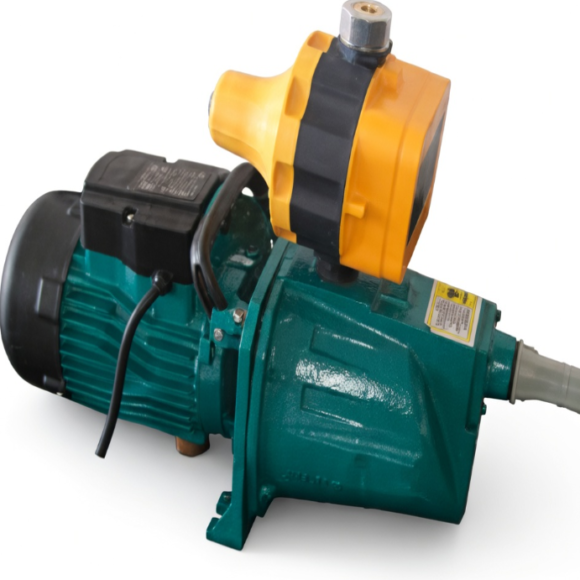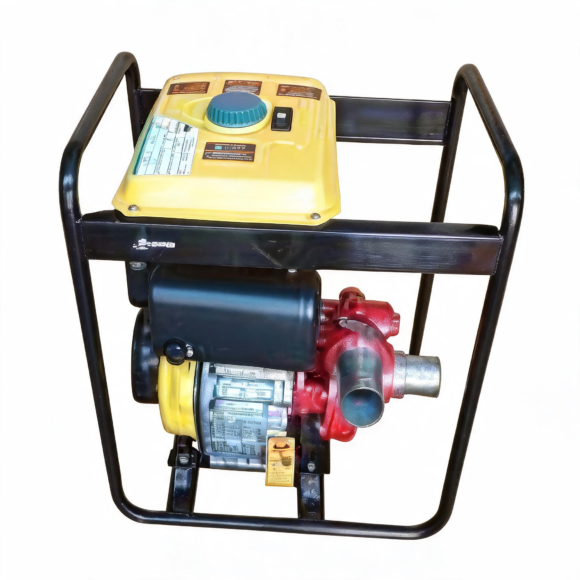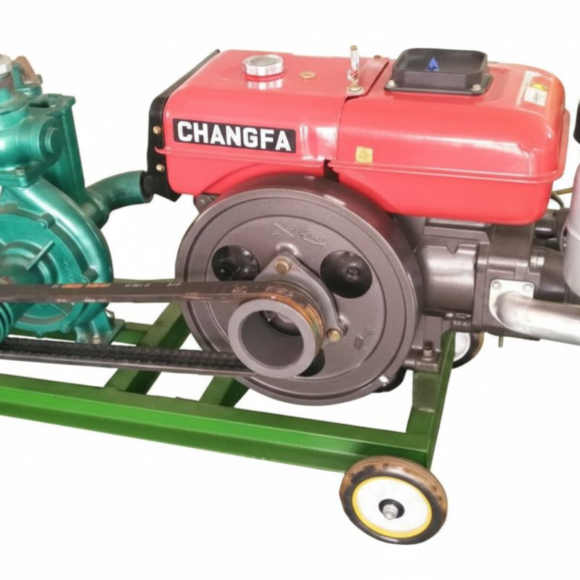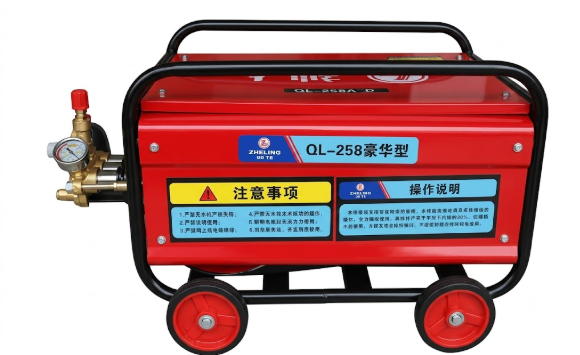
A high-pressure jet car wash is an engineered cleaning system that converts electrical or mechanical energy into high-velocity water streams to remove road grime, oils, and contaminants from vehicle surfaces. Its technical architecture centers around a high-displacement positive displacement plunger pump—typically made with ceramic plungers and brass manifolds—driven by an electric motor or gas engine. This pump draws water from a supply line, pushes it through an unloader valve (which controls operational system pressure and bypasses water when the trigger is released), and forces it through a high-pressure hose to a spray wand. The wand features a specialized spray nozzle that restricts fluid flow to compress the water, transforming high pressure into high-velocity impact energy.
Operation follows a multi-stage fluid and mechanical process to clean safely without damaging vehicle clear coats. When the operator activates the system, water mixed with a precisely metered chemical detergent is drawn into the pump chamber, pressurized, and expelled through the nozzle at pressures typically ranging from 1,000 to 2,500 PSI. The operator sweeps the wand across the vehicle surface, using the mechanical kinetic energy of the high-velocity jet stream to break the surface tension of the dirt and flush it away. Once the washing cycle finishes, the system switches to a high-pressure freshwater rinse cycle, followed by a low-pressure application of hydrophobic rinse aids or waxes that sheet water off the bodywork to prevent spotting before the motor is turned off.