An outdoor network cable is a specially designed communication cable used to transmit data signals between network devices over external environments such as buildings, streets, campuses, or industrial sites. It is commonly used for internet connectivity, CCTV systems, and local area networks (LANs). Unlike indoor cables, outdoor network cables are built with strong protective layers to withstand harsh weather conditions such as rain, sunlight (UV radiation), heat, dust, and sometimes physical damage. The most common type is outdoor Ethernet cable (such as Cat5e, Cat6, or Cat6a), which contains twisted copper wire pairs for data transmission and is protected by waterproof and UV-resistant insulation.
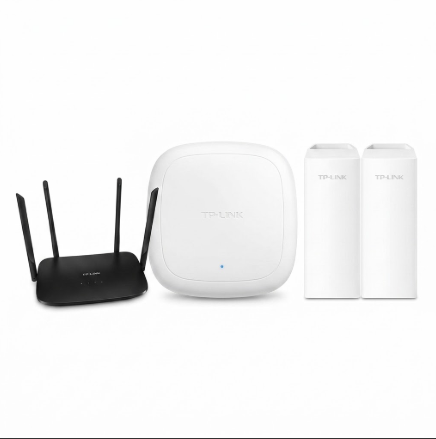
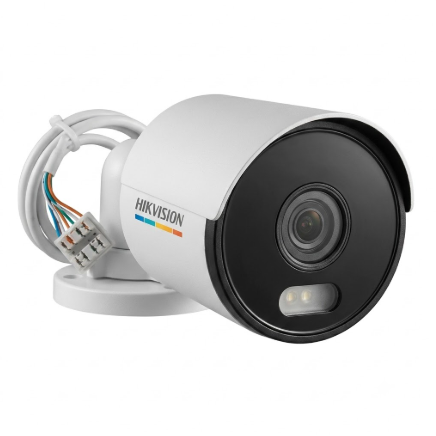
In operation, the cable carries electrical data signals between devices such as routers, switches, computers, and IP cameras. Data is transmitted in the form of digital pulses through the twisted copper pairs, which help reduce interference and maintain signal quality over distance. The outer jacket protects the internal conductors from environmental damage, while some outdoor cables include a gel or waterproof filling to prevent moisture penetration. When properly installed, often in conduits or buried underground, the cable ensures stable and reliable network communication even in outdoor conditions.